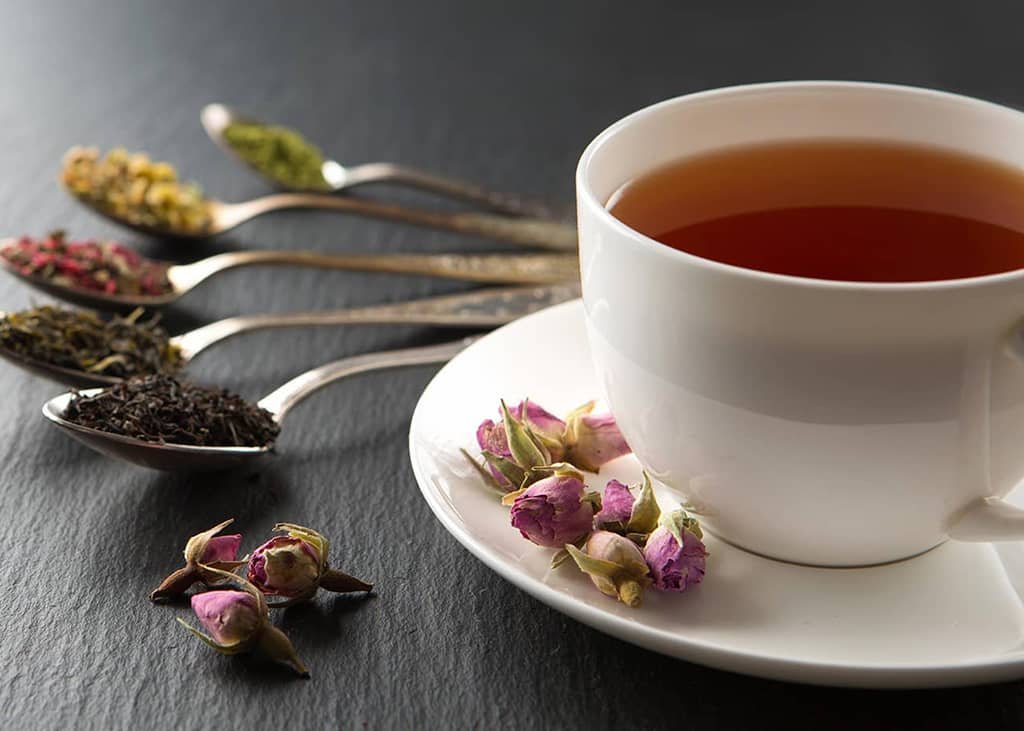
If you scroll through Instagram, you will be convinced that the cure for your insomnia is a $60 bottle of CBD oil or a “Sleepytime” tea blend. The wellness industry is a multi-billion dollar machine that thrives on the desperate search for sleep. But as a physician, I care about data, not marketing. So, are these natural remedies actually doing anything, or are you just buying expensive, flavored water? Let’s separate the wellness hype from the medical reality. The CBD Craze: Miracle Cure or Expensive Placebo? Cannabidiol (CBD) is everywhere. It’s in gummies, oils, lotions, and even sparkling water. The Theory: CBD interacts with your endocannabinoid system. Unlike THC, it doesn’t get you “high.” The claim is that it reduces anxiety and pain, allowing for natural sleep. The Science: The evidence is… complicated. The “Resident Insight”: The biggest problem isn’t the CBD; it’s the dosage. Chamomile Tea: The Power of Ritual Chamomile is the grandmother of sleep remedies. But is it just warm water? The Science: Actually, there is some chemistry here. Chamomile contains a flavonoid called Apigenin. The Verdict: While Apigenin is real, you would need to drink a vat of tea to get a sedating dose. However, I still recommend chamomile tea to my patients. Why? Because of The Ritual Effect. In this case, the process is the medicine, not the tea bag. Valerian Root: The “Dirty” Herb Valerian root is strong stuff. If you open a bottle, it smells like dirty gym socks. That’s how you know it’s real. The Science: Valerian is one of the few herbs that has shown statistically significant sedative effects in meta-analyses. It increases GABA (the “calming” neurotransmitter) in the brain synaptic cleft. The Physician’s Warning: Just because it’s natural doesn’t mean it’s clean. The PillowTalk Verdict So, is it all a scam? Not entirely. The Truth: The most effective “natural” sleep aid is free. It’s waking up at the same time every day and getting sunlight in your eyes. No credit card required. Disclaimer: The content on this blog is for informational and educational purposes only. It is not intended to be a substitute for professional medical advice, diagnosis, or treatment. Always seek the advice of your physician or other qualified health provider.