

If I had a dollar for every female patient who told me, “Doctor, I’m just tired, but I can’t sleep,” I would have been very rich by now.
Often, women are told their sleeplessness is just “stress,” “anxiety,” or part of aging. But if your insomnia flares up at specific times of the month, or if menopause has turned your nights into a battleground, it is not just stress. It is biology.
I want to explain the mechanism of hormonal insomnia—and why your ovaries might be the biggest sleep disruptor in your life.
Progesterone and Estrogen: How Hormones Affect Sleep
To understand why you can’t sleep, we first have to understand what these hormones do when you are sleeping.
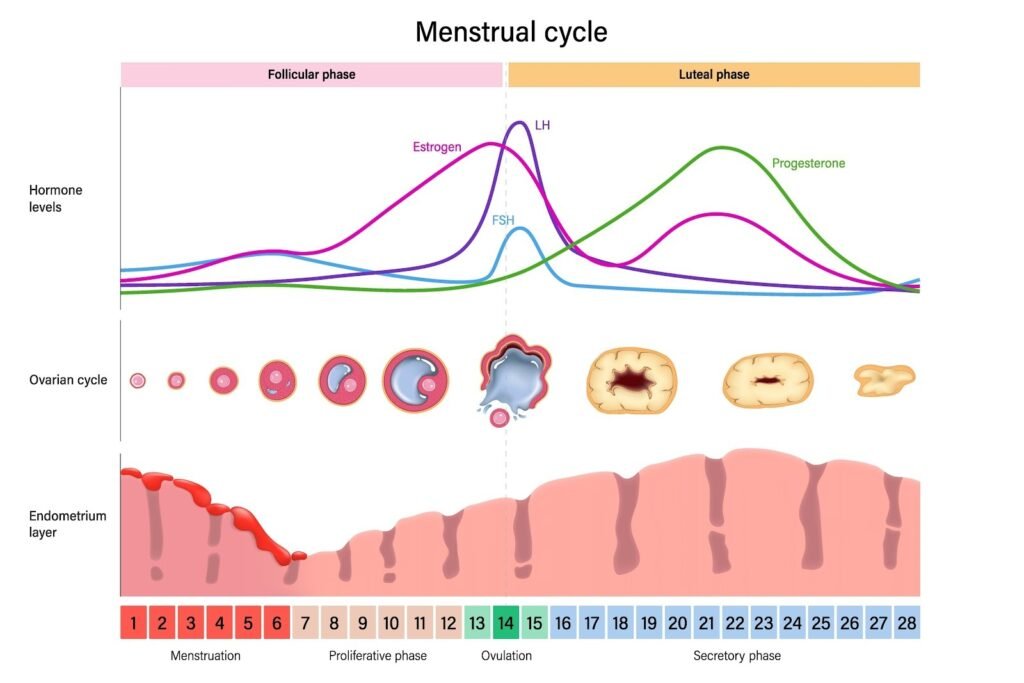
- Progesterone is “Nature’s Valium”: It has a potent sedative effect. It stimulates GABA receptors (the same receptors targeted by sleep medications like benzodiazepines) to calm the brain.
- Estrogen Regulates Temperature: Estrogen helps keep your body temperature low at night and keeps your sleep “consolidated,” meaning fewer wake-ups.
When these hormones crash, sleep falls apart.
shutterstock
Premenstrual Insomnia: The Luteal Phase Crash
Many women ask, “Why can’t I sleep before my period?”
The answer lies in the Luteal Phase. Right before menstruation, both estrogen and progesterone levels plummet.
- Loss of Sedation: When progesterone drops, you lose that natural anti-anxiety effect, leaving you feeling “wired.”
- Temperature Rise: To fall asleep, your core body temperature needs to drop. When estrogen is low, your basal body temperature rises, making it physically difficult to initiate sleep.
Menopause and Sleep: The Mechanism of Hot Flashes
Perimenopause and menopause represent a permanent hormonal shift. While hot flashes (vasomotor symptoms) are common, few people understand why they wake you up.
A hot flash isn’t just getting warm. It is often preceded by a surge of adrenaline (norepinephrine).
“You don’t just wake up because you are hot. You wake up because your body just gave you a shot of adrenaline.”
This adrenaline surge jolts you out of deep sleep seconds before you feel the heat. This is why you often wake up with a racing heart and cannot fall back asleep even after cooling down.
The Hidden Risk: Menopause and Sleep Apnea
This is a critical medical insight. Can menopause cause sleep apnea? Yes.
Before menopause, women are protected from Obstructive Sleep Apnea (OSA) because progesterone stimulates breathing drive and estrogen maintains airway muscle tone.
When you lose those hormones, you lose that protection.
If you are post-menopausal and experiencing morning headaches or gasping at night, do not ignore it. It may be untreated sleep apnea, not just “aging.”
3 Ways to Manage Hormonal Sleep Issues
You cannot pause biology, but you can manage the symptoms.
- Aggressive Temperature Control: Since hormonal drops raise body temperature, keep your bedroom at 65°F (18°C). Use cooling mattress pads or moisture-wicking pajamas.
- CBT-I (Cognitive Behavioral Therapy for Insomnia): This is the gold standard for treating insomnia. It helps decouple the anxiety of the “hormonal crash” from your bed.
- Hormone Replacement Therapy (HRT): For severe hot flashes, talk to your doctor about HRT. It is the most effective treatment for vasomotor symptoms and can restore sleep quality for eligible patients.
Disclaimer: The content on this blog is for informational and educational purposes only. It is not intended to be a substitute for professional medical advice, diagnosis, or treatment. Always seek the advice of your physician or other qualified health provider.