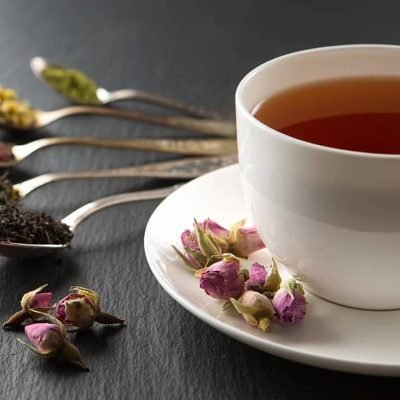

If you scroll through Instagram, you will be convinced that the cure for your insomnia is a $60 bottle of CBD oil or a “Sleepytime” tea blend.
The wellness industry is a multi-billion dollar machine that thrives on the desperate search for sleep. But as a physician, I care about data, not marketing.
So, are these natural remedies actually doing anything, or are you just buying expensive, flavored water? Let’s separate the wellness hype from the medical reality.
The CBD Craze: Miracle Cure or Expensive Placebo?
Cannabidiol (CBD) is everywhere. It’s in gummies, oils, lotions, and even sparkling water.
The Theory: CBD interacts with your endocannabinoid system. Unlike THC, it doesn’t get you “high.” The claim is that it reduces anxiety and pain, allowing for natural sleep.
The Science: The evidence is… complicated.
- The Good: High-quality studies show CBD is an effective anxiolytic (anti-anxiety) agent. If you can’t sleep because your brain is racing with worry, CBD might help lower that volume.
- The Bad: When we look at Sleep Architecture (the actual stages of sleep), CBD is underwhelming. Many clinical trials show that while people feel more relaxed, their objective sleep numbers (time to fall asleep, total sleep time) don’t change much compared to placebo.
The “Resident Insight”: The biggest problem isn’t the CBD; it’s the dosage.
- Clinical studies often use doses of 300mg to 600mg.
- That “Sleep Gummy” you bought? It likely has 5mg to 10mg.
- The Verdict: At typical commercial doses, CBD is likely functioning as a very expensive placebo.
Chamomile Tea: The Power of Ritual
Chamomile is the grandmother of sleep remedies. But is it just warm water?
The Science: Actually, there is some chemistry here. Chamomile contains a flavonoid called Apigenin.
- Apigenin binds to benzodiazepine receptors in the brain (the same receptors valium hits), but with a much, much weaker affinity.
The Verdict: While Apigenin is real, you would need to drink a vat of tea to get a sedating dose. However, I still recommend chamomile tea to my patients. Why? Because of The Ritual Effect.
- The act of brewing tea forces you to slow down.
- The warmth is soothing (parasympathetic activation).
- You are not scrolling on your phone while holding a hot mug.
In this case, the process is the medicine, not the tea bag.
Valerian Root: The “Dirty” Herb
Valerian root is strong stuff. If you open a bottle, it smells like dirty gym socks. That’s how you know it’s real.
The Science: Valerian is one of the few herbs that has shown statistically significant sedative effects in meta-analyses. It increases GABA (the “calming” neurotransmitter) in the brain synaptic cleft.
The Physician’s Warning: Just because it’s natural doesn’t mean it’s clean.
- Inconsistency: One study showed Valerian worked; another showed it didn’t. This is likely because the potency varies wildly between brands.
- Liver Toxicity: There have been rare case reports of liver injury associated with heavy Valerian use.
- The Hangover: Like Trazodone, Valerian can leave you feeling “foggy” the next morning.
The PillowTalk Verdict
So, is it all a scam? Not entirely.
- CBD: Good for anxiety, but likely under-dosed for sleep. Save your money unless you buy from a high-quality, high-dose source.
- Chamomile: Excellent for the ritual of winding down. Drink it, but don’t expect it to be Ambien.
- Valerian: A potent herbal sedative, but use with caution and watch for morning grogginess.
The Truth: The most effective “natural” sleep aid is free. It’s waking up at the same time every day and getting sunlight in your eyes. No credit card required.
Disclaimer: The content on this blog is for informational and educational purposes only. It is not intended to be a substitute for professional medical advice, diagnosis, or treatment. Always seek the advice of your physician or other qualified health provider.